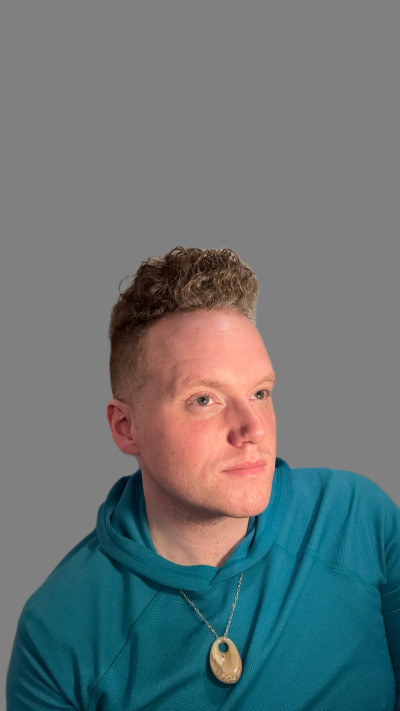
Details
Skills
Transitioning from special education and behavior intervention into peer support gives you a powerful mix of professional expertise and lived recovery experience.
Here are the highest-impact transferable skills to feature on your Washington Piers mentor profile, categorized by area:
Interpersonal & Communication Skills
* Trauma-Informed Communication: Framing conversations around safety, trustworthiness, and empowerment rather than judgment or diagnosis.
* Active & Empathetic Listening: Holding space without interrupting, offering reflective listening, and validating lived experiences without rushing to "fix" things.
* De-escalation & Crisis Support: Maintaining composure during intense emotional moments and using calm, grounded techniques to lower distress.
* Non-Judgmental Presence: Meeting individuals exactly where they are on their path without imposing expectations or timelines.
Behavioral & Mentorship Skills
* Strengths-Based Goal Setting: Helping peers identify their existing resilience, personal assets, and small, actionable steps forward.
* Behavioral Support & Coping Strategies: Drawing on behavior intervention fundamentals to co-create healthy coping mechanisms and routine-building strategies.
* Individualized Support Planning: Translating personal goals into achievable, step-by-step recovery and wellness plans.
* Motivational Encouragement: Fostering self-efficacy and celebrating micro-wins to keep peer motivation high through setbacks.
Advocacy & System Navigation
* System & Community Resource Navigation: Guiding peers through local support systems, community care options, and recovery networks.
* Self-Advocacy Coaching: Empowering individuals to articulate their rights, needs, and preferences in healthcare and daily life.
* Healthy Boundary Setting: Establishing and maintaining clear, compassionate personal and professional boundaries in mentoring relationships.
* Cross-Disciplinary Collaboration: Partnering effectively with care teams, case workers, and community partners while keeping peer agency first.
Lived Experience & Recovery Mentorship
* Peer Recovery Support: Leveraging personal lived experience in sobriety to build trust, reduce shame, and inspire hope.
* Resilience & Relapse Support: Offering grounded, non-stigmatizing encouragement during vulnerable transitions or recovery bumps.
* Stigma Reduction: Modeling open, authentic conversations around mental health, addiction, and personal transformation.
Quick-Copy Keyword List for Form Tags/Checkboxes
If the portal uses short tags or comma-separated keywords, use this ready-to-paste list:
> Trauma-Informed Care, Active Listening, De-escalation, Strengths-Based Coaching, Crisis Support, Behavior Intervention, System Navigation, Self-Advocacy, Boundary Management, Peer Recovery Support, Coping Strategy Development, Empathetic Mentorship.
About
After spending over 15 years in the classroom as a Special Education Teacher and Behavior Intervention Specialist, my life work has always been rooted in empathy, patience, and meeting people exactly where they are. Throughout my career in education, I learned that true support isn't about having all the answers—it’s about creating a safe, grounded space where individuals feel seen, heard, and capable of growth.
In recent years, my journey took a deeply personal turn into recovery. Navigating sobriety has not only transformed my life, but it also reframed my entire perspective on human resilience and community support. It showed me firsthand how powerful lived experience can be when paired with genuine connection. Today, I'm combining my extensive background in behavioral support and educational advocacy with my own recovery journey—stepping fully into addiction studies and peer support.
I’m passionate about walking alongside others as a Peer Support Mentor, offering grounded encouragement, zero judgment, and the steady reminder that hope and recovery are entirely within reach.
Profile Photo
